Mastering Split Times: A Strategic Betting Approach
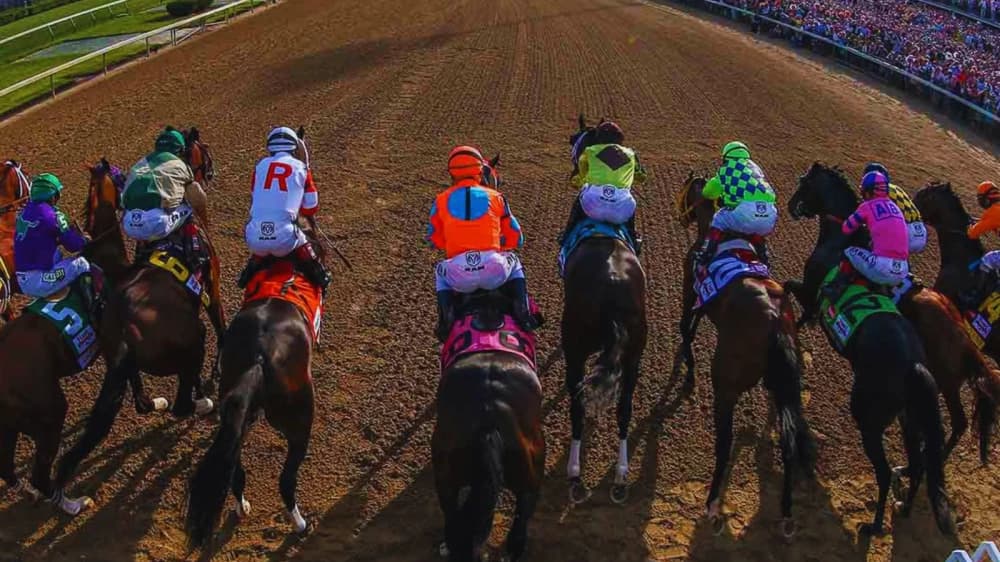
Discover the thrill of split time betting in horse racing. Analyze pacing and speed dynamics for a strategic betting experience that goes beyond the finish line.
Horse racing is often perceived as a sport where victory is awarded to the horse that crosses the finish line first. However, for experienced bettors, another competition exists within the race—the contest of split times and bursts of speed during the race. With the rise of sophisticated data analysis, wagering on these particular segments of the race has evolved into an engaging and lucrative opportunity for those who can decipher speed patterns.
Betting on split times enables bettors to predict which horse will achieve the fastest furlong during a race, or at particular points such as the halfway mark. This form of wagering attracts those who appreciate analyzing a race beyond simply the final outcome, concentrating on the strategic aspects of speed and endurance.
Understanding the Mechanism of Betting on Split Times
While most traditional bets concentrate on the final results of races, wagering on split times entails evaluating a horse’s performance at specific segments of the race. Split times are measurements of how swiftly a horse traverses particular parts of the course, often segmented into furlongs (with one furlong being roughly 200 meters). Certain betting markets permit bettors to place wagers on:
In certain instances, bookmakers offer head-to-head matchups where bettors can wager on which of two horses will achieve the quicker furlong time. This market is especially appealing to bettors who are interested in pace analysis and racing strategies.
The Appeal of Split Time Betting for Gamblers
One of the main advantages of betting on split times is that it shifts the emphasis from merely determining the race winner to the strategic progression of the race. Some horses are recognized for their sudden mid-race speed, while others depend on a strong final push. Bettors who can spot these trends gain an advantage over those who focus solely on the overall race outcomes.
The rise of data-driven analysis has significantly enhanced the appeal of this market. With technology monitoring every moment of a race, bettors now have access to comprehensive sectional timing statistics. This information enables them to evaluate past performances and forecast how a race may proceed based on a horse’s racing style.
One more reason this market is captivating is that it frequently offers value bets. The odds for a horse to achieve the fastest furlong may be significantly higher than the odds for winning the race. A front-runner that is unlikely to secure the overall victory might still clock the quickest early furlong, offering chances for those who identify these patterns.
For those who take pleasure in strategic betting, split-time wagers introduce an additional level of excitement. Instead of waiting for the race to conclude, bettors engage with crucial moments throughout the race, making each furlong a significant part of the overall experience.
Approaches to Wagering on Split Times and Acceleration Periods
Achieving success in split time betting necessitates a thorough comprehension of pace analysis. Each horse has its unique running style, and understanding how these styles affect speed variations at different points during the race is essential.
Front-runners, commonly referred to as 'pace-setters,' typically achieve the quickest early furlong in their quest for an advantage. While these horses may slow down as the race continues, they are strong candidates for bets on the fastest opening furlong. Bettors should review previous races to find horses that consistently have strong starts.
Mid-race acceleration is prevalent in tactical races where jockeys aim to outmaneuver their rivals. Horses that effectively respond to a jockey's urging during the middle stages of a race are prime candidates for bets on mid-race distances. Analyzing sectional times from past races can assist in identifying horses that are known for their rapid bursts of speed.
To make the quickest final furlong bets, closers—the horses that conserve their energy for a powerful finish—should be on your radar. These horses tend to have slower early pace but excel in speed during the final stretch of the race. Examining the last three furlong splits from previous races can assist in determining which horses are most likely to finish strongest.
Another important factor to consider is track bias. Some racetracks tend to favor horses that start strong, while others benefit those that make late moves. Additionally, specific tracks may feature longer home stretches, providing ample room for horses to accelerate toward the finish line. Grasping how these track conditions affect sectional times can be crucial for making informed betting decisions.
Analysis of Probabilities and Associated Risks
The odds for fastest furlong bets are usually higher compared to standard race winner bets, as they pertain to a more specific result. A horse might be considered an underdog to win the race, yet it could still possess a strong chance of achieving the fastest single furlong, especially if it is known as a front-runner or a powerful finisher.
Nonetheless, one of the greatest dangers in split time betting is race dynamics. A horse that typically records the quickest early furlong may not achieve that if another front-runner is present in the race, which could force it to adjust its strategy. Likewise, a closer might not achieve the fastest final furlong if the early pace is too sluggish, hindering its ability to deliver its customary burst of speed.
Another challenge is that jockey strategy plays a crucial role. Unlike typical race winner bets, where the best horse usually comes out on top, sectional time bets are significantly influenced by how the jockey navigates the race. If a jockey opts to hold a horse back or to push it harder than usual, it can drastically alter the expected outcomes.
Weather and track conditions significantly influence sectional times. A wet and muddy track can slow down horses and lead to slower furlongs, whereas firm ground facilitates faster times. It is important for bettors to consider these conditions before placing their bets.
Betting on split times and mid-race speed bursts offers a captivating approach to horse racing wagering. Instead of just focusing on the winner, these markets enable bettors to analyze the strategic aspects of speed and race dynamics.
By analyzing previous sectional times, track biases, and the unique running styles of individual horses, bettors can identify valuable opportunities within these markets. Although there are inherent risks—particularly due to race tactics and external factors—those who excel in speed analysis can discover betting prospects that others might miss.
For enthusiasts who appreciate data-driven insights and the thrill of live racing, betting on the fastest furlong or speed surges presents a distinct way to engage with horse racing. Whether supporting a swift front-runner or a late-coming contender, these wagers demonstrate that in racing, every moment matters—and often, that’s where the greatest rewards are found.